• Addressing Climate Crisis Through Diet Change

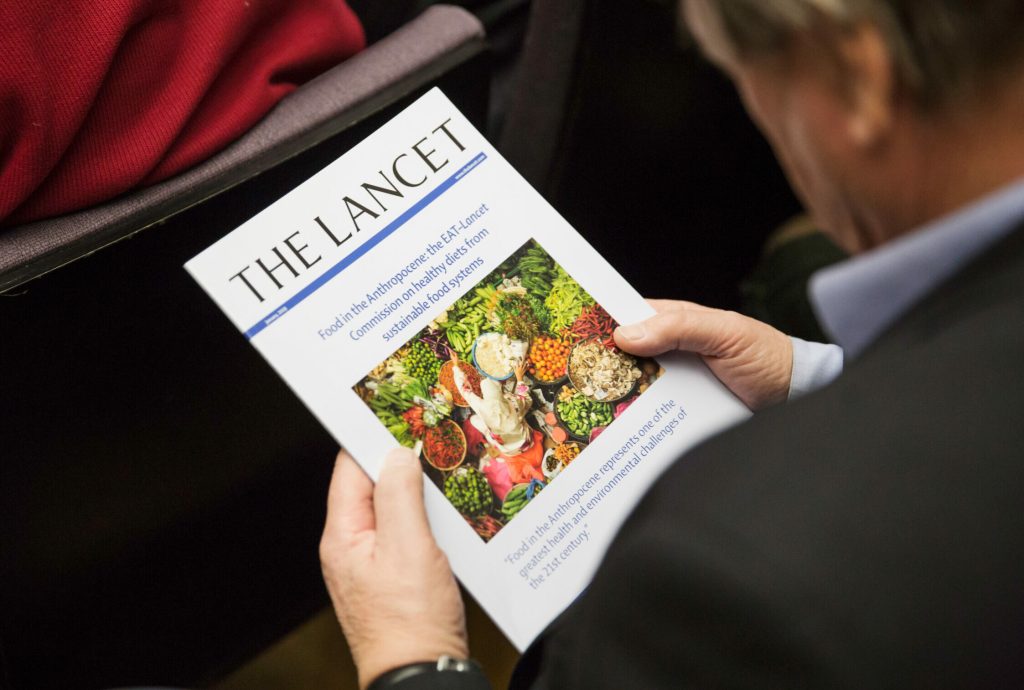
    Image Credit: EAT Lancet Report

    The EAT-Lancet Commission reports that ‘when confronted by climate, biodiversity, health, and justice crisis, transformation will require urgent and meaningful changes in our individual and collective behaviours and in our our culture of unhealthy, unjust, and unsustainable food production and consumption’. 

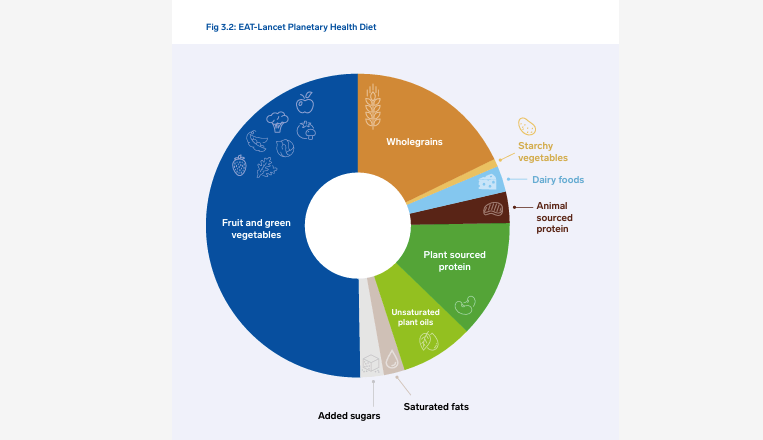
    The latest 2025 report calls for a ‘whole food systems and policy change and emphasises a balanced dietary pattern that is predominantly plant-based, with moderate inclusion of animal-sourced foods and minimal consumption of added sugars, saturated fats, and salt’.

    The Planetary Health Diet consists of:

    • Half a plate of fruits and vegetables.
    • Half a plate of primarily whole grains, plant proteins (beans, lentils, pulses, nuts), unsaturated plant oils, modest amounts of meat and dairy, and some added sugars and starchy vegetables.
    • Vegetarian and vegan diets are considered two healthy options within the planetary health diet.
    • The diet allows for adaptation to dietary needs, personal preferences and cultural traditions.

    For more information visit https://eatforum.org/resource/the-planetary-health-diet/

  • Plant-based eating is recognised as an intervention to improve health outcomes. They could reduce the risk of type 2 diabetes, hypertension, cardiovascular disease and some cancers and may help manage weight.

    The British Dietetic Association (BDA).

    The following plant-based meal ideas have been curated for their nutritional content and ease of preparation. Images have been sourced from online vegan recipe creators. Nutritional information is provided by the NHS UK and the book ‘Vegan Savvy’ by dietician Azmina Govindji. Additional sources are shown in the meal information.

    For more information about vegan nutrition view Health Benefits of Plant Foods: A Complete Guide.


    Oat Milk Coffee

    Oat Milk Coffee

    Plant-based oat drinks are typically fortified with various vitamins and minerals, including B12, D, calcium, and iodine. Sugar content varies significantly among these drinks. Choose the no sugar option for a healthier choice.

    Image credit: myquietkitchen.com


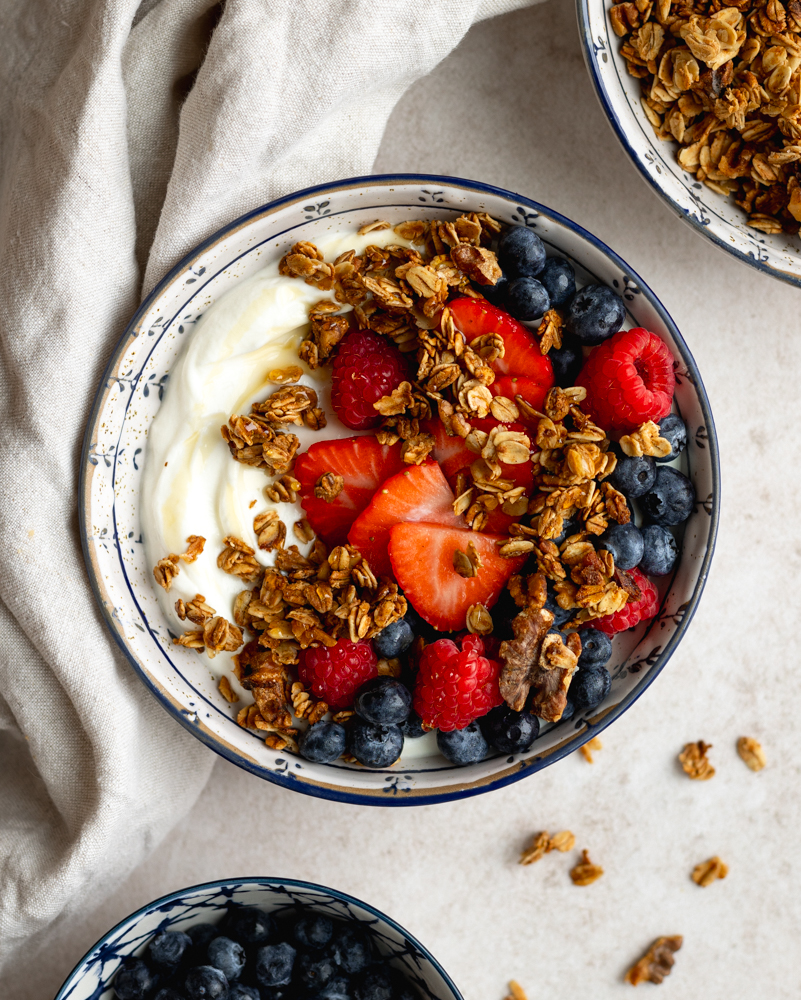
    No Sugar Soya Yoghurt with Berries and Granola

    No Sugar Soya Yoghurt with Berries and Granola or Muesli

    No sugar soya yoghurt contains protein and is generally fortified with vitamin B12, and calcium. Berries provide vitamin C and B vitamins. Combine with whole grains, nuts, seeds, and dried fruits. (e.g. minimally processed muesli and/or granola).

    Image credit: daisybeet.com.


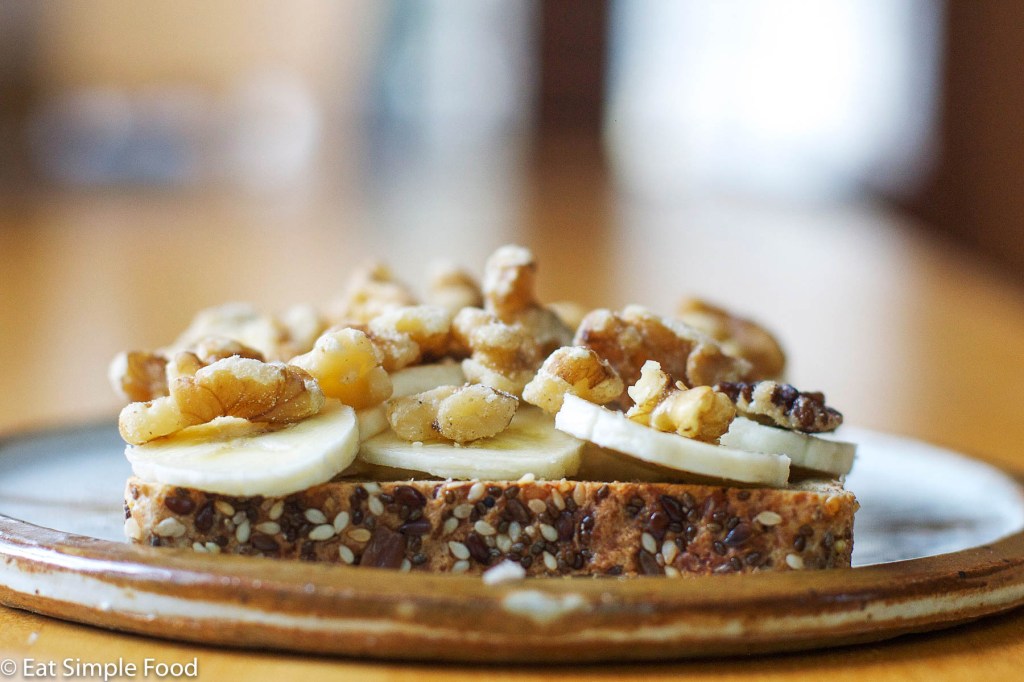
    Banana and Walnuts on Seeded Toast

    Banana and Walnuts on Toast

    Bananas are a good source of natural sugar for energy, and they contain vitamins B1, B6, C, potassium, and magnesium. Walnuts contain protein, omega-3 ALA, iron, a range of B vitamins, and zinc. Wholemeal bread offers protein, iron, calcium, B vitamins, zinc, and selenium.

    Source: https://www.hollandandbarrett.com/the-health-hub/food-drink/nutrition/8-of-the-best-banana-health-benefits/

    Image credit: EatSimpleFood.Com


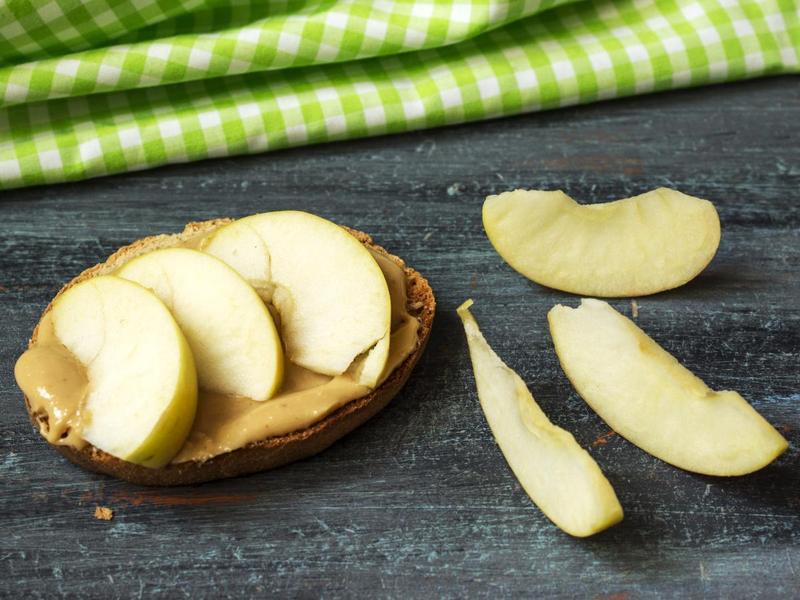
    Almond Butter and Apple Slices on Toast

    Almond Butter and Apple Slices on Toast

    Almond butter is rich in protein, healthy fats, iron, calcium, and choline. Raw organic apples provide Vitamin C (helps iron absorption), potassium, and antioxidants with anti-inflammatory benefits. Wholemeal bread offers protein, iron, calcium, B vitamins, zinc, and selenium.

    Image credit: eatthismuch.com


    Tea Infusion

    Herbal Tea Infusion

    Herbal teas are hydrating, typically low in caffeine, and often free from added sugars, making them a great alternative to sugary beverages. 

    Research has shown that our sense of smell plays a significant role in cognitive function and emotional well-being. In fact, some studies suggest that engaging with aromatic herbs like rosemary, mint, or lavender can improve alertness, reduce stress, and even boost cognitive performance.

    Several herbs have been shown to support healthy metabolism and blood sugar regulation. For example, cinnamon and ginger have been extensively studied for their ability to help control blood sugar levels, while other herbs like rosemary and sage are known for their cognitive and memory-boosting properties.

    Source: https://ncim.org.uk/how-herbal-teas-can-benefit-your-health

    Image credit: Whittard of Chelsea


  • In the UK, it is estimated that well-planned, completely plant-based, or vegan, diets need just one third of the fertile land, fresh water and energy of the typical British ‘meat-and-dairy’ based diet.

    The British Dietetic Association (BDA).

    The following plant-based meal ideas have been curated for their nutritional content and ease of preparation. Images have been sourced from online vegan recipe creators. Nutritional information is provided by the NHS UK and the book ‘Vegan Savvy’ by dietician Azmina Govindji. Additional sources are shown in the meal information.

    For more information about vegan nutrition view Health Benefits of Plant Foods: A Complete Guide.


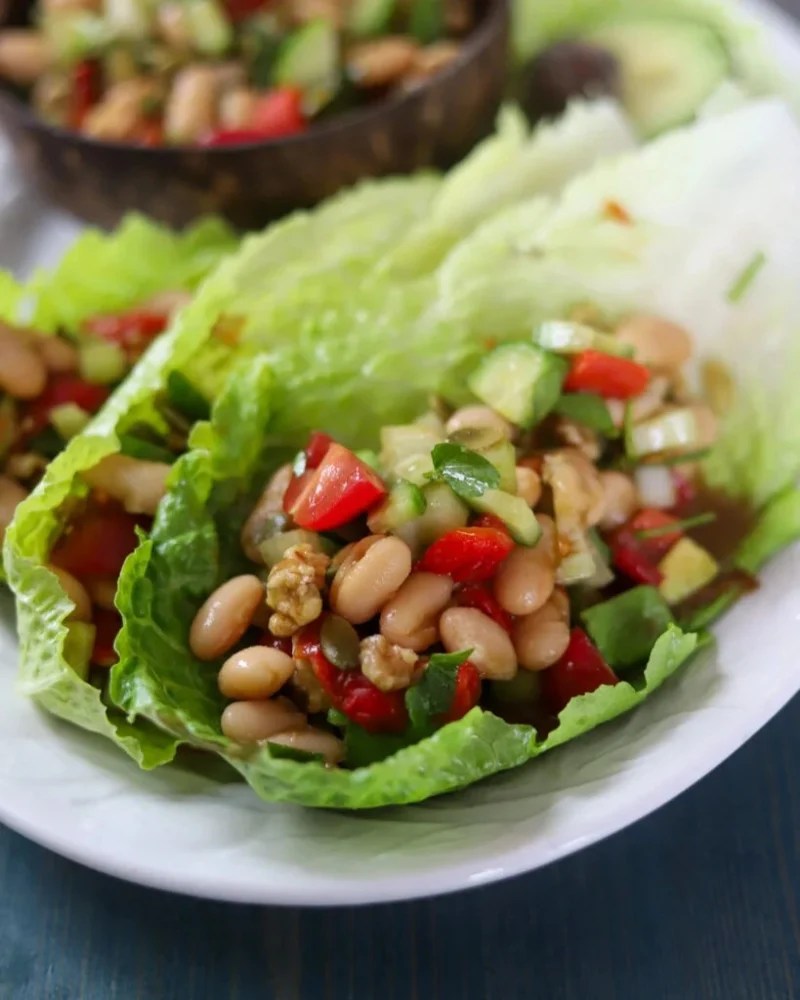
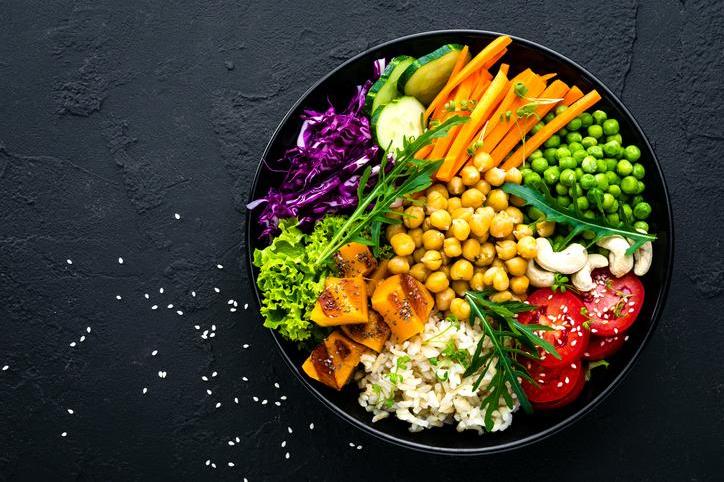
    Nutritious Plant-Based Bean Salad

    Nutritious Bean Salad

    Beans, walnuts, pumpkin seeds, and avocado provide protein, iron, and B vitamins, while walnuts and pumpkin seeds also offer Omega-3 ALA, zinc, and choline. Bell peppers enhance iron absorption with vitamin C.

    Add your favourite minimally processed plant-based dressing. Pairs well with romaine lettuce leaves, and/or a jacket potato. You can also add other salad veg like tomatoes, cucumber, celery, and salad onions.

    Image credit: betterfoodguru.com


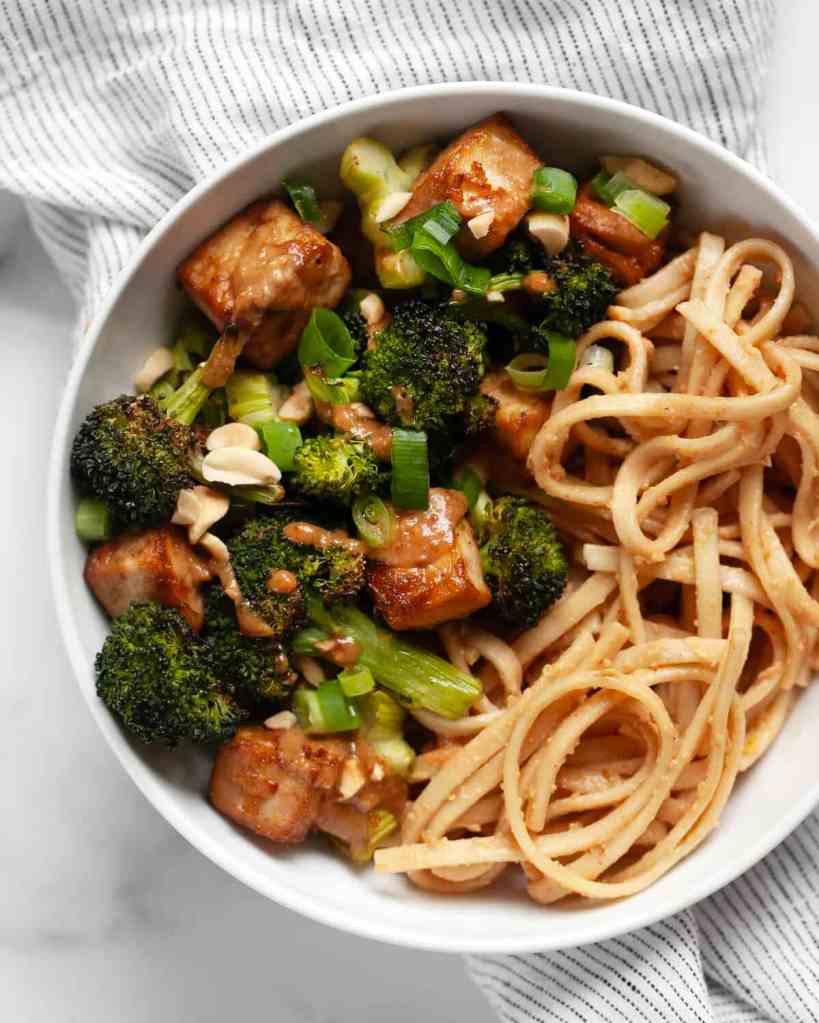
    Tofu and Broccoli Noodle Salad Nutrition Facts

    Tofu and Broccoli Noodle Salad

    Tofu, broccoli, and brown rice noodles are nutritious foods that provide protein, iron, calcium, zinc, choline, and B vitamins.

    Marinate tofu in a soy, ginger, and miso dressing, ensuring it’s low in salt and sugar if shop-bought. Add sesame seeds for protein, healthy fats, iron, calcium, B vitamins, and zinc.

    Image credit: lastingredient.com


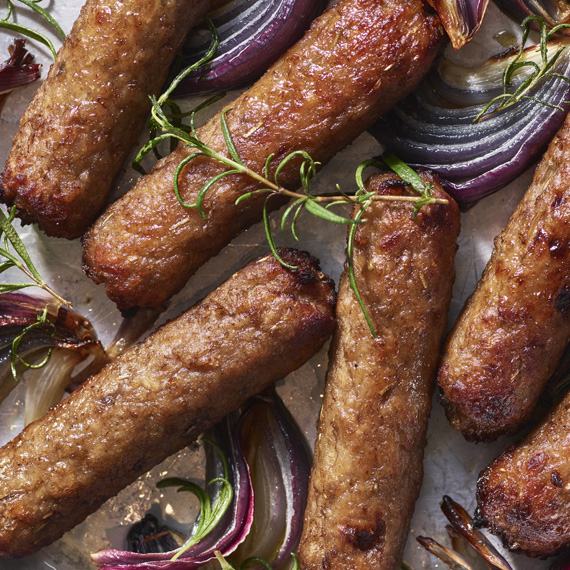
    Vegan Red Onion & Rosemary Sausages

    Minimally processed soy-based or rehydrated textured pea protein sausages are a good source of protein and are often seasoned with onion and herbs for extra flavour.

    Add to a seeded or wholemeal bun, which contains essential vitamins and minerals like calcium, iron, and zinc. Also great with salads and Mediterranean vegetables.

    Image credit: lindamccartneyfoods.co.uk


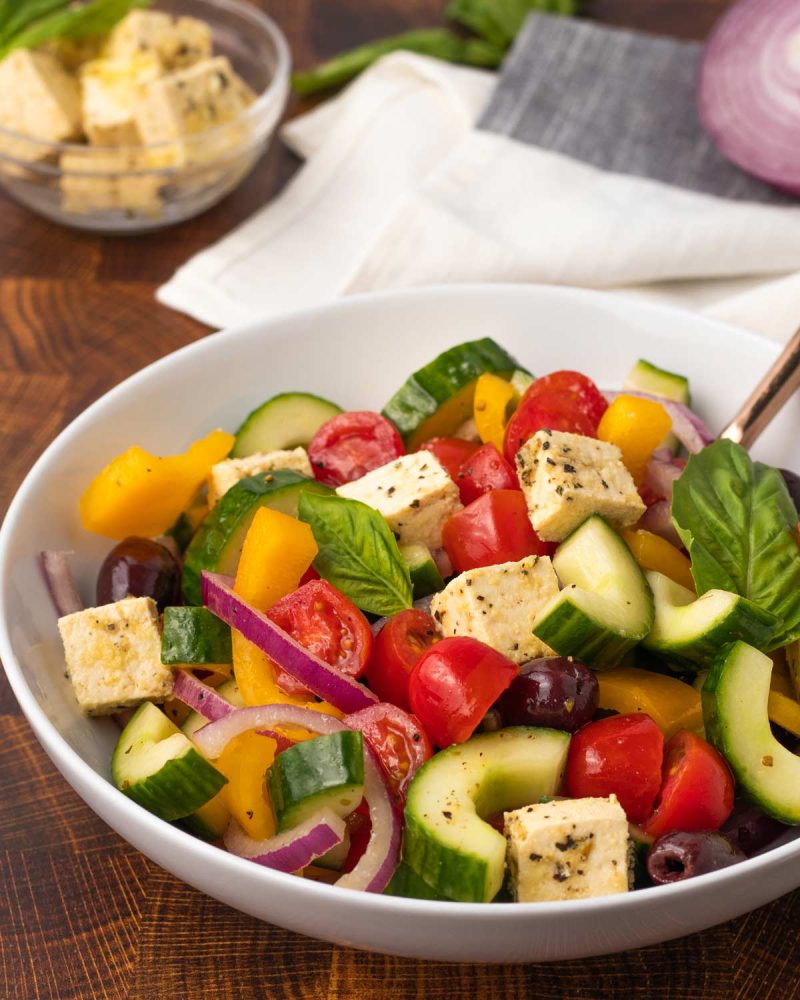
    Plant-Based Tofu Greek Salad

    Tofu Greek Salad

    Tofu is rich in iron, zinc, choline, and selenium, with some varieties fortified with calcium. Adding bell pepper enhances vitamin C for better iron absorption. Pair with your favourite salad vegetables, a low-salt, low-sugar dressing, and serve alongside a jacket potato for added protein, B vitamins, and choline.

    Image credit: karissasvegankitchen.com


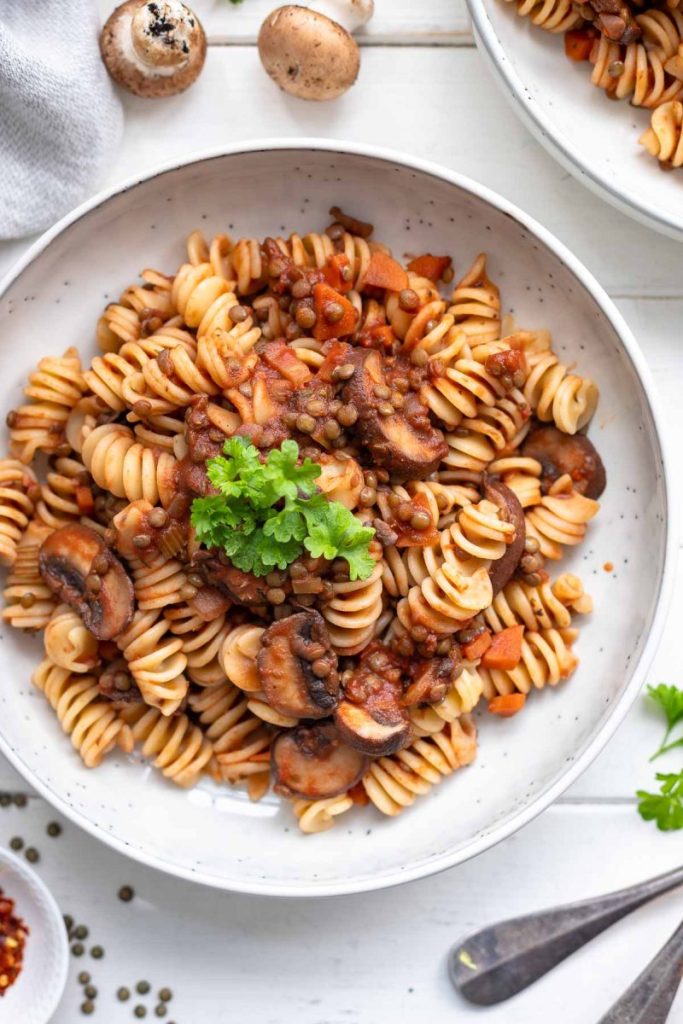
    Plant-Based Lentil, Spinach and Mushroom Bolognese

    Lentil, Spinach and Mushroom Bolognese

    Lentils, spinach, white mushrooms, and whole wheat pasta are nutritious foods rich in protein, iron, B vitamins, zinc, and selenium1. Cook the ingredients, add your favourite plant-based vegan tomato sauce and cook/season to taste. If the sauce is shop-bought, check the label for a low salt, and sugar content.

    For added nutrition serve with roasted broccoli which contains calcium, B vitamins, choline, and vitamin C (which supports iron absorption).

    Image credit: ellerepublic.de


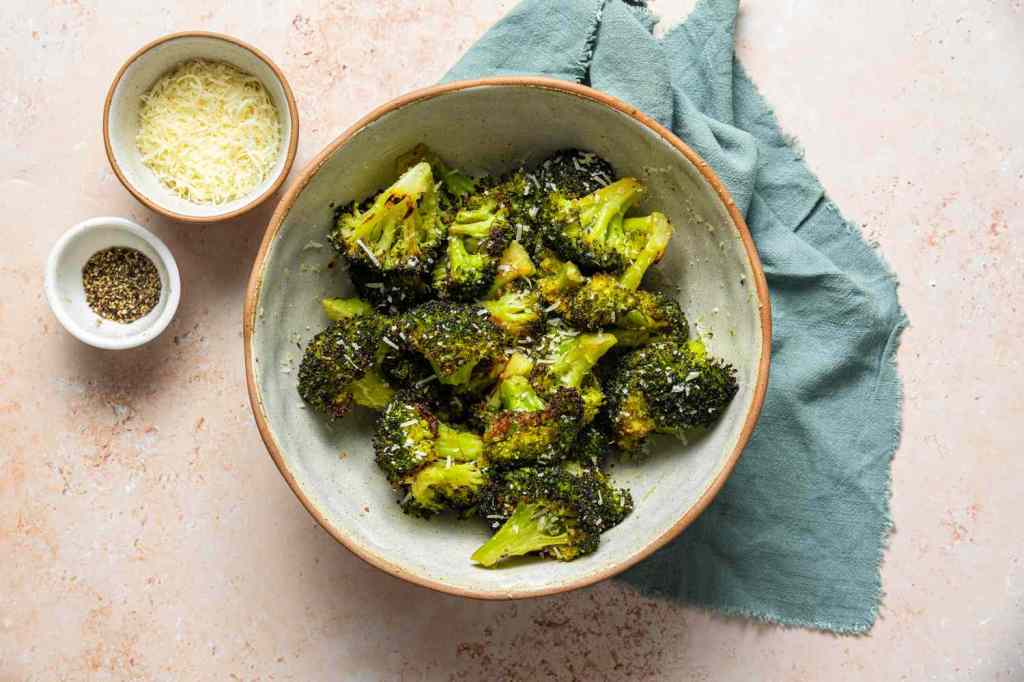
    Roasted Broccoli

    Roasted Broccoli

    Broccoli is rich in fibre, calcium, B vitamins, choline, and vitamin C (which aids in iron absorption).

    Microwave the broccoli for a couple of minutes, then spray it with garlic-infused rapeseed oil, roast in the air fryer and season.

    Image credit: simplyrecipes.com


  • How Plant-Based Meals Could Save the NHS Millions

    Image credit: The British Dietetic Association (BDA).

    Dr. Shireem Kassam, Consultant Haematologist and founder of Plant-Based Health Professionals UK, shares the scientific evidence:

    • £633 million is spent on inpatient food provision, yet studies have shown that a plant-based diet would actually cost a third less in the UK.
    • For example, the NHS has almost 1.3 million employees and serves around 140 million meals to hospital patients each year. Switching to a plant-based menu could reduce the food-related carbon footprint by more than 50%.
    • Some doctors are now referring to the need for plant-based dietary change as ‘a moral imperative’. 
    • The evidence suggests that healthcare systems around the world have the potential to influence more widespread dietary change.
    • Economic modeling suggests billions in health-related cost savings for the NHS.

    Read the full article written by Dr. Shireen Kassam

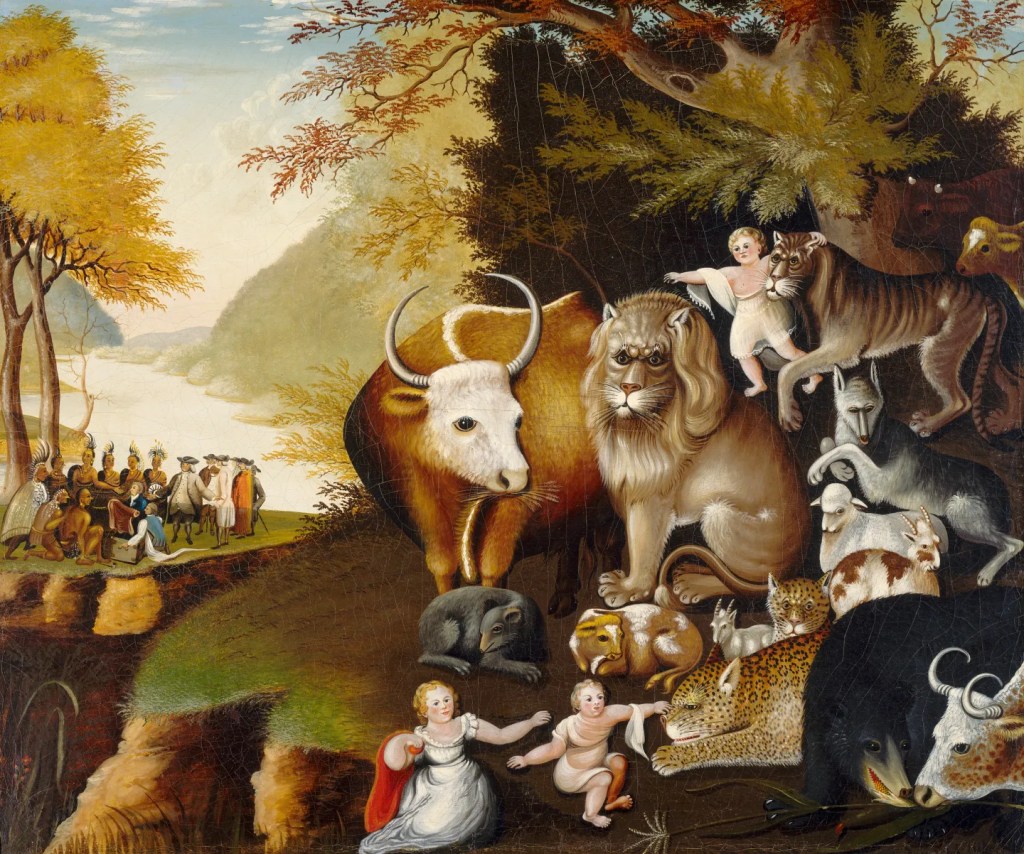
  • Harmony in Nature: Isaiah’s Vision

    Image credit: Peaceable Kingdom, By Edward Hicks, 1834. Oil on canvas, National Gallery of Art, Washington, DC.

    The wolf will live with the lamb,
        the leopard will lie down with the goat,
    the calf and the lion and the yearling together;
        and a little child will lead them.
    The cow will feed with the bear,
        their young will lie down together,
        and the lion will eat straw like the ox.
    The infant will play near the cobra’s den,
        and the young child will put its hand into the viper’s nest.
    They will neither harm nor destroy
        on all my holy mountain,
    for the earth will be filled with the knowledge of the Lord
        as the waters cover the sea.

    (From the Book of Isaiah 11:6-9).

  • The Health Benefits of Switching to a Plant-Based Diet

    Image credit: Fig 3.2: EAT-Lancet Planetary Health Diet. One Blue Dot Eating patterns for health and environmental sustainability: A Reference Guide for Dietitians.

    Dr. Shireem Kassam, Consultant Haematologist and founder of Plant-Based Health Professionals UK, shares the scientific evidence:

    • A plant-based diet is associated with considerable health benefits, with significant reductions in cardiovascular disease, type 2 diabetes, obesity, certain cancers and dementia.
    • Co-benefits include reductions in the use of antibiotics in farming and consequently the risk of antimicrobial-resistant infections.
    • 3 of 4 new and emerging infections with pandemic potential come from animals; the next pandemic is predicted to arise from industrialised animal farming, likely a bird flu.
    • The best available evidence informs us that, without transitioning our food system away from animal agriculture, we cannot meet our climate and nature commitments and will not be able to limit global warming to below 1.5 °C or even 2 °C.
    • Agriculture contributes at least a third of all greenhouse gas emissions and is the primary cause of biodiversity loss, threatening up to 90% of species with extinction’.

    Read the full article written by Dr. Shireen Kassam

  • Health Benefits of Plant Foods: A Complete Guide

    Image credit: EAT-Lancet Planetary Health Plate.

    The British Dietetic Association (BDA)1 confirms that plant-based diets rich in beans, nuts, seeds, fruit and vegetables, whole grains (such as oats, barley and quinoa) and minimally processed foods can provide all the nutrients needed for good health. The exception is vitamin B12.

    Vitamin B12

    Vitamin B12 is made by micro-organisms and is not produced by plants so fortified foods and supplements are the only reliable sources of vitamin B12 for vegans. (The Vegan Society2 ).

    In an article written for Forks and Knives, Dr. Sofia Pineda Ochoa3 says that ‘In the past, vitamin B12 from bacteria was naturally and more reliably present in plant foods. Today, however, with modern hygienic practices more effectively cleaning and sanitising produce, along with soil being exposed to more antibiotics and pesticides, most plant foods are no longer reliable sources of this bacterial product’.


    The following table has been curated using information from the NHS UK website and the book Vegan Savvy written by Azmina Govindji RD.

    For dietary concerns, talk to a health professional or a nutritionist. In the UK, the Vegan Society collaborates with nutritionists registered with The British Dietetic Association.

    Nutrients + Plant FoodsHealth Benefits
    WaterEssential for human life. Helps every system in the body work properly.
    Protein
    Nuts, tofu, seeds, beans, chickpeas, sweetcorn, lentils, nut butters.
    Helps muscles grow and repair. Needed for healthy bones.
    Fibre
    Starch foods, legumes, vegetables, fruits, nuts.
    Gut health, lowers blood cholesterol, steady blood glucose levels.
    Carbohydrates
    High fibre options include wholegrain breads and breakfast cereals, brown rice, brown pasta, potatoes in their skin.
    Fuel for the body.
    Good Fats
    Rapeseed and olive oil, avocados, nuts and nut butters.
    Heart, blood pressure, cholesterol levels, vision and brain.
    Omega-3 ALA
    Green leafy vegetables, edamame beans, walnuts, chia, flax and hemp seeds, rapeseed oil. Soya and linseed bread, fortified vegan spreads.
    Supports blood cholesterol levels.
    Iron
    Spinach, spring greens, peas. Tofu (naturally present in soybeans). Dried fruit. Nuts and seeds. Beans and pulses. Grains and pasta, especially Quinoa and wholewheat pasta. Fortified breakfast cereals and oats. Tempeh, sesame seeds and wholemeal bread. Dark chocolate (70% cocoa solids).
    Mental health, fatigue, immune system.
    Calcium
    Kale, broccoli, green leafy vegetables, okra, pak choi, watercress. Edamame beans, figs, almonds, chia seeds, sesame seeds, sunflower seeds, oranges. Tempeh, tofu, and products made from tofu. Plant-based drinks and yoghurts. Fortified oat cereal, breads.
    Bones and teeth, energy, nerves, digestion, normal blood clotting.
    Vitamin B 12
    Nutritional yeast, fortified breakfast cereals, fortified plant milks.
    Mood, nervous system, immune system, fatigue. Vegan sources are only found in fortified foods and supplements.
    Other B Vitamins
    B 1, B 2, B 3, B 6, B 7.
    (Also Pantothenic acid, folate and folic acid).
    Fresh fruit and vegetables, Pulses, beans, nuts, seeds, fortified breakfast cereals, wholegrain breads. Includes peas, mushrooms, wheat flour, avocado, peanuts, soya beans, oats, bananas, chickpeas, kidney beans.
    Various including: Convert food to fuel, mood, energy, nervous system, skin, eyes, haemoglobin, fatty acids, red blood cells.
    Iodine
    Nori seaweed, fortified plant drinks, yoghurt and bread. 
    Brain, energy levels, nervous system, metabolism, skin health.
    Zinc
    Spinach, beans and pulses, tempeh, tofu, brazil nuts, cashew nuts, peanuts, walnuts, seeds, wholemeal bread, porridge oats. Nutritional yeast, wholewheat pasta, pumpkin seeds, quinoa (cooked), brown rice (cooked), sunflower seeds, white and shiitake mushrooms.
    Hair and nails, DNA, fertility, brain, carbohydrate metabolism.
    Choline
    Edamame beans and soya products, quinoa. Brussels sprouts, broccoli, cauliflower, mushrooms, baked potato in skin, firm tofu, peas.
    Liver, fat metabolism.
    Selenium
    Brazil nuts, Chickpeas, white pasta, sunflower seeds, mushrooms,
    Hair and nails, immune system, thyroid.
    Vitamin A: Yellow, red and green (leafy) vegetables, yellow fruits.Immune system, vision, skin.
    Vitamin C: Citrus fruits, strawberries, peppers, broccoli, potato.Boosts iron absorption. Cells, skin, blood vessels, bones and cartilage.
    Vitamin D 2, D 3
    Sunshine (D 3), fortified foods (D 2). Vitamin D 3 supplement.
    Calcium absorption, muscles, healthy bones and teeth, immunity, reduced risk of falls at 60+.
    Vitamin E: Rapeseed (vegetable oil), sunflower, soya, corn, olive oil, nuts, seeds, cereal grains.Skin, eyes, immune system.
    Vitamin K: Broccoli, spinach, vegetable oils, cereal grains.Blood-clotting, wound-healing and bone health.
    Source: NHS UK4 Vegan Savvy5
    1. https://www.bda.uk.com/resource/vegetarian-vegan-plant-based-diet.html ↩︎
    2. The Vegan Society/B12 ↩︎
    3. https://www.forksoverknives.com/wellness/vitamin-b12-questions-answered-2/ ↩︎
    4. https://www.nhs.uk/conditions/vitamins-and-minerals/ ↩︎
    5. https://azminanutrition.com/project/vegan-savvy/ ↩︎